
Sexual Health
What is Sexual Health?
In 2006, the American Public Health Association released an article entitled “Abstinence and U.S. Abstinence-Only Education Policies: Ethical and Human Rights Concerns” which stated that there are “…significant ethical and human rights concerns [that] arise when abstinence is presented to adolescents as the sole choice”. Yet, over the past twenty years, the United States government has spent around $2 billion dollars on abstinence education. So if abstinence-only education is considered a public health risk by experts, why is the United States government providing funding? Because sexual health is not taken seriously.
In 2006, the American Public Health Association released an article entitled “Abstinence and U.S. Abstinence-Only Education Policies: Ethical and Human Rights Concerns” which stated that there are “…significant ethical and human rights concerns [that] arise when abstinence is presented to adolescents as the sole choice”. Yet, over the past twenty years, the United States government has spent around $2 billion dollars on abstinence education. So if abstinence-only education is considered a public health risk by experts, why is the United States government providing funding? Because sexual health is not taken seriously.
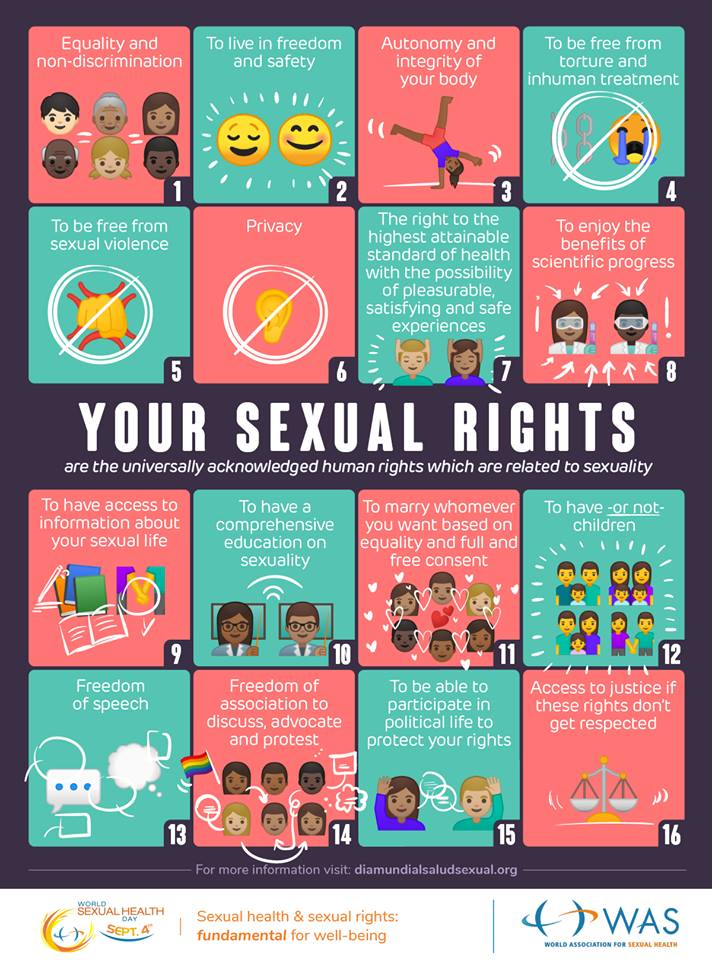
Sexual health is a part of a person’s overall health that often gets overlooked. The American Sexual Health Association describes sexual health as “the ability to embrace and enjoy our sexuality throughout our lives…Recognizing and respecting the sexual rights we all share. Having access to sexual health information, education, and care” and so much more. A sample of some of these “sexual rights” are shown in the infographic below.
Sexual health is not just a one time course in school that either tells you the dangers of engaging in sexual intercourse or to just not have it, it is a lifelong journey about learning to respect your own body and others’.
How does sexual health fit into public health?
- Sexual health education: Access to accurate and age-appropriate information about sexuality and sexual health
- Policy: improvement of access to sexual health services, including comprehensive sex education in schools, protection for LGBTQ communities, contraception and family planning services, STI screening services
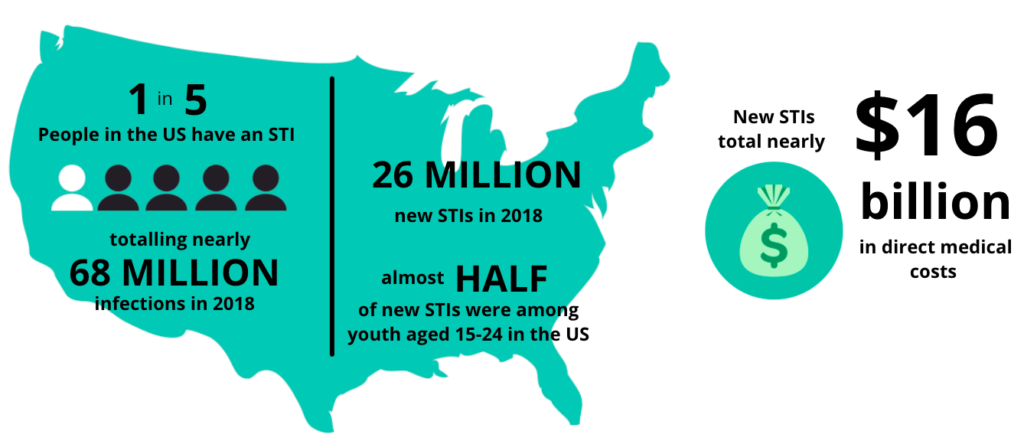
- Prevention of Sexually Transmitted Diseases (STDs): increasing awareness of STIs, STI prevention methods, and STI testing. The figure below shows the prevalence and societal cost of STIs in the U.S.
- HIV/AIDS care and prevention: behavioral interventions, HIV testing, treatment and care
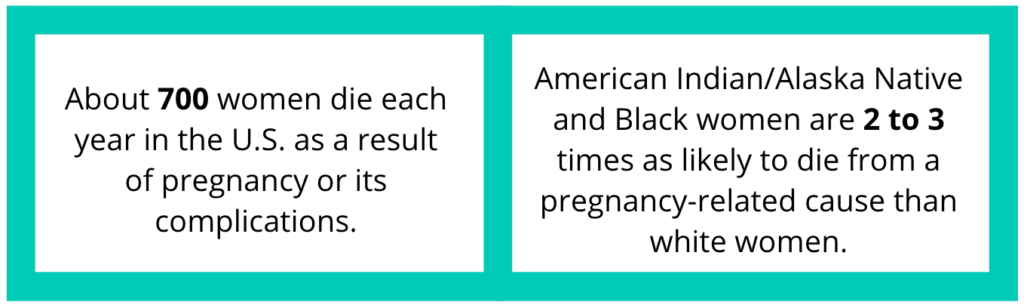
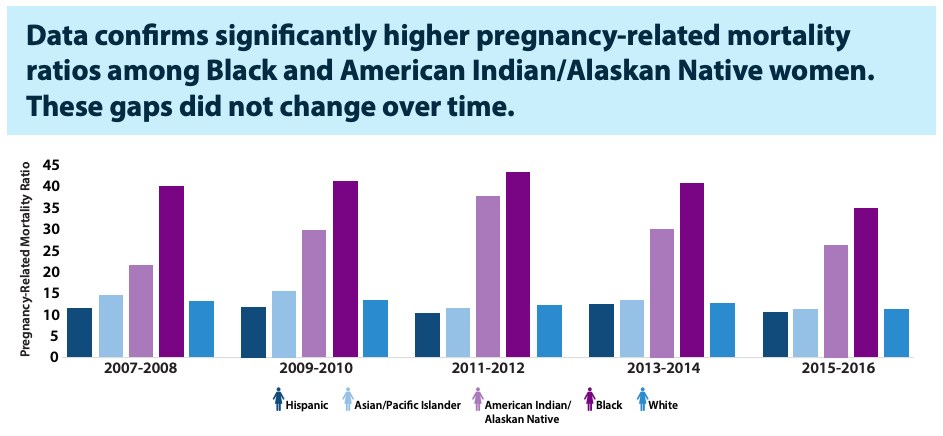
- Reproductive health: maternal and infant health, contraception access, maternal mortality, depression and postpartum depression, teen pregnancy, infertility, assisted reproductive technology. The figure below shows a devastating health disparity in pregnancy mortality rates, with much higher rates among Black and American Indian/Alaskan Native women.
- Sexuality: promoting positive social and cultural norms about sex and sexuality
- Sexual Violence Prevention: teaching healthy relationship skills, empowering girls and women, creating protective environments, supporting survivors
- Equity and access to care: improving health disparities in access to sexual health and reproductive care, STD occurrence and treatment, unintended pregnancies, and sexual violence
Sex Education and Public Health
There have been many controversial discussions about the importance of comprehensive sex ed in the United States’ education system. Yet, the epidemic of missing information does not impact all people the same way.
In 2019, the Albert Shanker Institute published an article which discussed the “…racial gap in teen sexual health outcomes”. The article used Texas as an example of a state which does not mandate any sexual health education and if a school does provide a sex ed curriculum, it must stress abstinence. While this creates a less healthful society for everyone, the lack of comprehensive information disproportionately impacts black and brown communities.
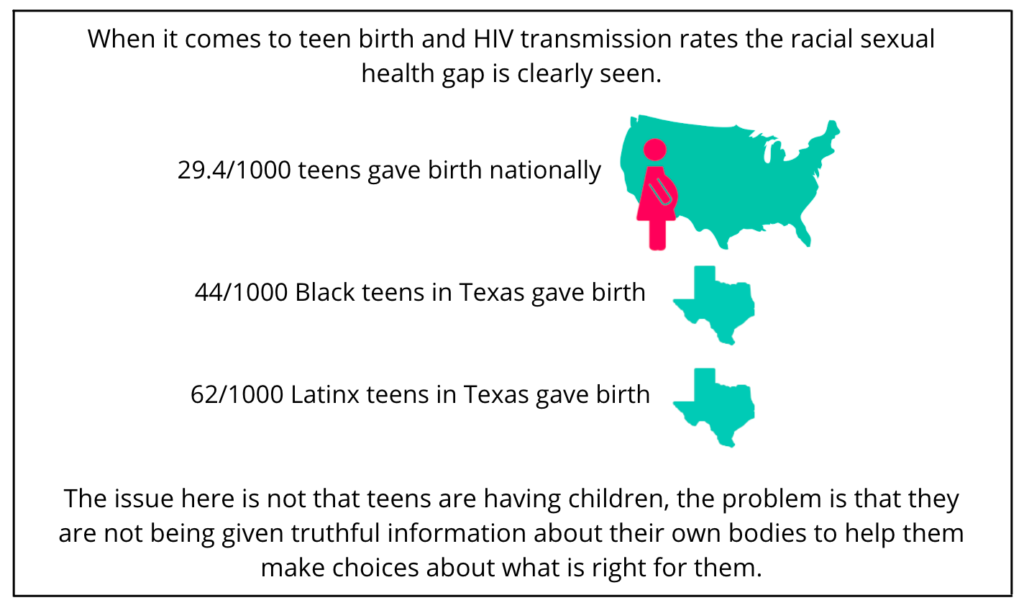
One of the most serious issues that comes out of inadequate sexual health education is that of STI/D outbreaks. On average, out of 100,000 white teens, 9.8 will contract HIV while for black teens it is 93.5 out of 100,000, as shown below.
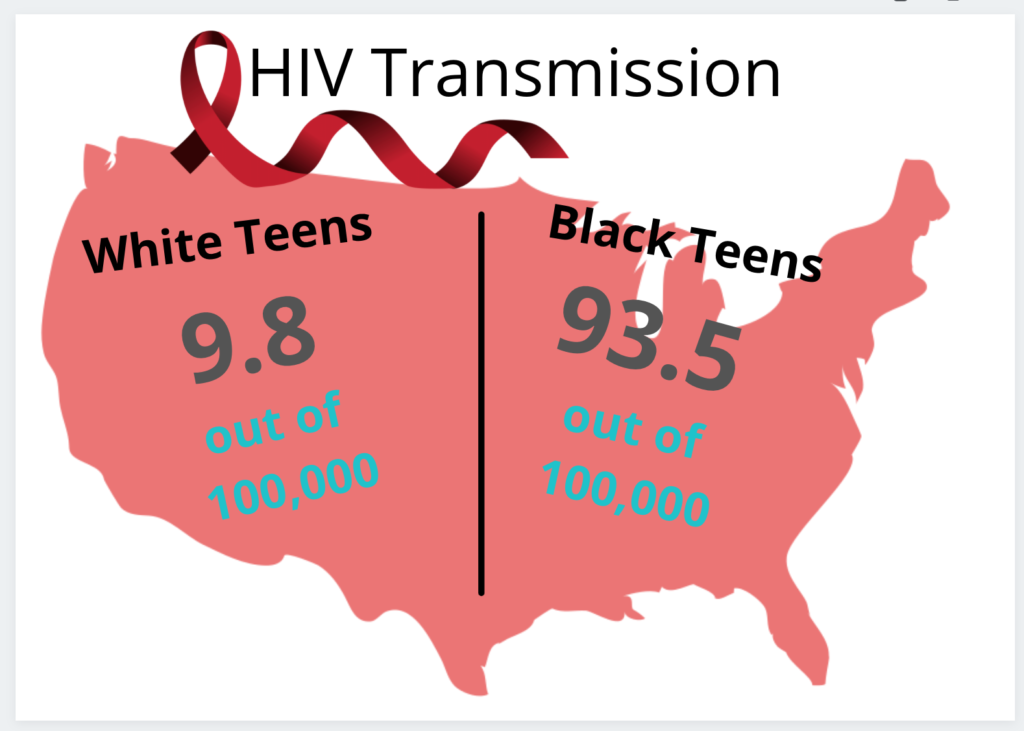
This is a massive difference and while many factors and social determinants impact this data, comprehensive sex education could actively reduce these numbers for all people.
One way Planned Parenthood is trying to meet the needs of young people is to provide a non-judgmental, easily accessible chatbot that allows everyone to have a comprehensive sexual health education.

Health Disparities in HIV/AIDS
According to the WHO, “HIV continues to be a major global public health issues, having claimed 33 million lives so far.”
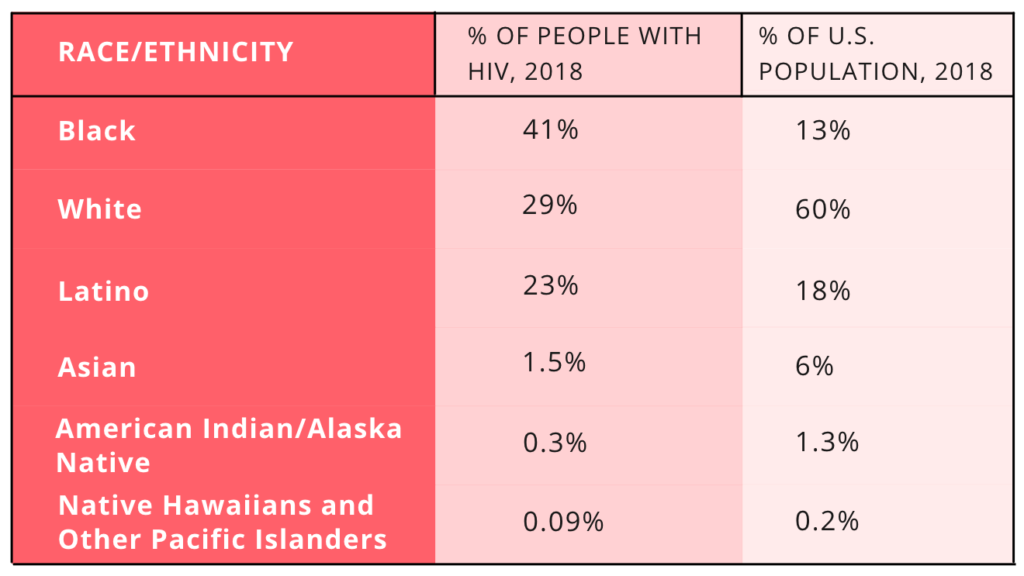
While HIV can affect anyone, regardless of gender, race, ethnicity, socioeconomic status, or education level, health disparities greatly impact the rates of HIV in certain population groups in the US. Social determinants of health, such as racism, poverty, discrimination, stigma, unequal access to health care, and lack of education contribute to the health disparities seen in rates of HIV as well as other STIs. In particular, HIV has a disproportionate impact on racial and ethnic minorities, as shown in the figure below, as well as gay and bisexual men. The AIDSVu Map is a useful tool for identifying HIV rates in the US and can identify populations that are disproportionately affected by HIV.
What organizations are looking at the intersection of sexual health and public health?
There are many organizations that work with sexual health, however here are some of the ones that we had a chance to interact with during our winter break OCS:

DKT International is a non-profit organization, which works to increase global access to birth control methods using sustainable business practices.
Planned Parenthood provides sexual care and education, and is the number one provider of sex education in the US.
The Washington Aids Partnership provides resources to the community and works on policy with the goal of ending HIV in the Washington, D.C. area. They are the largest private funder of HIV prevention, care, and advocacy in the region.

Just Us Health coordinates health care services and access with a goal of meeting community health needs, as well as empowering communities to advocate for inclusive health policies.
